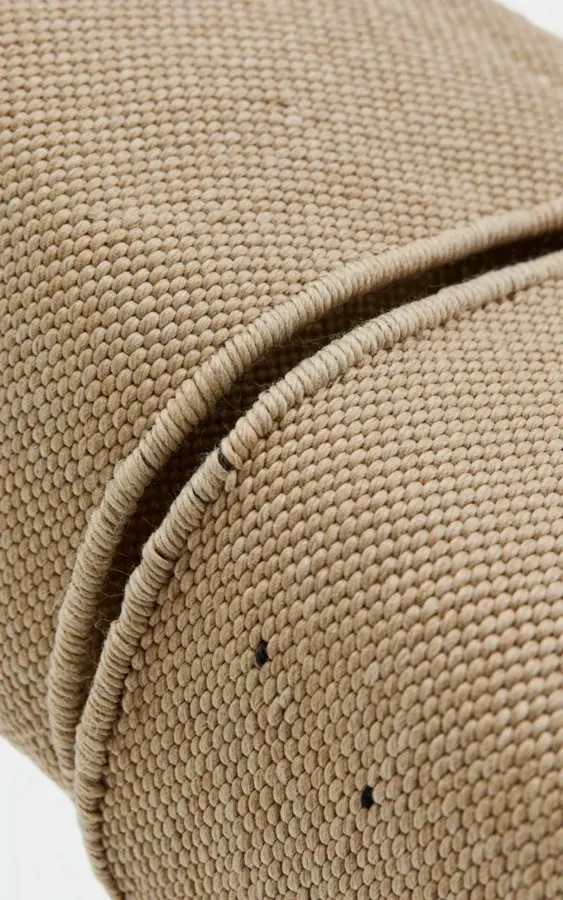
Jute rug mistakes don’t usually get talked about until your brand new rug starts shedding fibers all over the living room. Most people pick a natural fiber rug purely on color and size, completely ignoring the weave pattern. That is the exact spot where things go wrong. This close-up macro photograph shows a tight diagonal weave with threads running at a clear angle through the center, and that texture is the secret to a rug that actually holds up. If you have ever wondered why some jute rugs last years while others look tired after a few months, the answer is right there in the weave.
The Diagonal Weave: Why This Rug Pattern Is Trending This Season
Natural fiber rugs have been a staple in home decor for a long time, but the diagonal weave is having a real moment right now. Designers and homeowners are finally paying attention to construction details, not just the softness underfoot. A diagonal weave, like the one visible in the photo with its striped directional threads, creates a denser surface. That density does two things: it resists crushing from furniture and foot traffic, and it keeps the individual strands locked in place. For spring and summer especially, when lighter textures take over a room, this weave pattern gives you the breezy look of natural fiber without the constant cleanup.
What Most Shoppers Get Wrong About Jute Rug Construction
The biggest mistake is assuming all natural fiber rugs are basically the same. People see the beige tones and the organic feel, and they assume durability follows automatically. It does not. The construction of a jute rug varies wildly between basket weave, herringbone, and diagonal patterns. A loose basket weave might look pretty in the store, but it gaps open over time and collects crumbs, dust, and pet hair. That loose construction also lets the ends fray much faster. The diagonal weave shown in the macro image is tightly packed, with no visible gaps between threads. That is the visual cue you want to look for when shopping.
How to Spot a High Quality Jute Rug Weave Before Buying
It is surprisingly simple to check a rug once you know what to look for. Next time you are in a store or browsing online photos, zoom in or get down on your hands and knees. You want to see a clear directional pattern, not random wavy lines. Here are the specific things I check every time:
- Thread alignment. Run your finger along the diagonal line. It should feel consistent, not bumpy or loose.
- Edge finishing. Look at the sides. A tight weave will have a neat, bound edge without stray threads sticking out.
- Weight. Pick up one corner. A dense diagonal weave feels heavier than a loose weave of the same size.
- Backing. Flip it over if possible. The back should mirror the front pattern, not show a separate mesh or glue.
Why Tight Weave Stops Fraying Before It Starts
Fraying happens when individual jute strands are not held firmly together. The diagonal weave solves this by overlapping each thread at an angle, which creates a locking effect. In the photograph, you can see how each thread sits snugly against its neighbor along that clear diagonal stripe. That physical structure prevents the ends from sliding out, even in high traffic zones like hallways or entryways. A loose weave lets the fibers move independently, and once one strand breaks loose, the whole section can start unraveling. The diagonal pattern keeps everything in place from day one.
The Best Room in Your Home for This Natural Fiber Rug Pattern
I would not put a diagonal weave jute rug in a bathroom or a damp basement, but it thrives in dry, busy spaces. Living rooms with moderate foot traffic are perfect because the tight weave handles furniture legs without leaving permanent dents. Dining rooms also work well, especially if you use a rug pad underneath. The rough texture of the diagonal weave hides crumbs and spills better than a smooth wool rug. For a seasonal touch, try it in a sunroom or a screened porch during the warmer months. The natural fibers breathe, and the diagonal pattern adds visual motion to an otherwise static floor.
Seasonal Styling Tips for Your Textured Jute Rug
This weave pattern gives you a lot of flexibility with decor. For spring, layer a flat weave cotton or linen runner on top of the jute to break up the uniform beige. In summer, lean into the natural look by pairing the rug with potted plants, wooden furniture, and woven baskets. The diagonal lines in the rug will echo the texture of the baskets nicely. Come fall, add a low pile wool rug in a warm rust or mustard tone over top for coziness. Just make sure any layered rug has a non slip pad underneath so the diagonal weave does not get crushed unevenly.
Final Thoughts on Choosing a Jute Rug That Lasts
The close up photo that started this whole conversation shows exactly what you should be looking for. A diagonal weave is not a minor design choice, it is a functional upgrade that determines how long your rug stays beautiful. Check the thread alignment, feel the density, and remember that a slightly heavier rug with a clear pattern will outperform a lighter, looser one every time. Next time you shop for a natural fiber rug, keep this weave pattern in mind and you will avoid the most common jute rug mistakes. Pin this article so you have a visual reference handy when you head to the store.
#juterug #naturalfiberrug #rugweave #diagonalweave #homedecortips
Leave a Comment