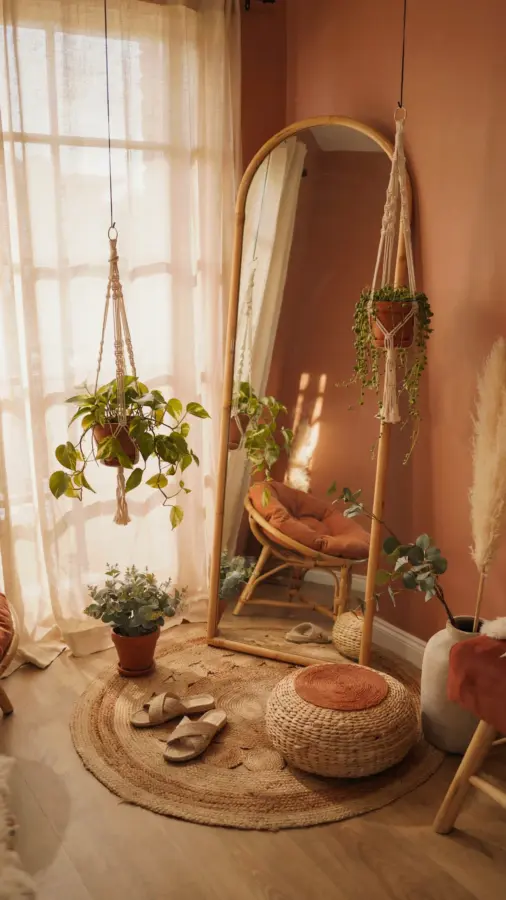
If you have been scrolling Pinterest for living room inspiration lately, you already know that BohoJuteDecor is having a serious moment. And honestly, it deserves that attention. Jute brings something no synthetic fiber can mimic: a raw, tactile warmth that makes any space feel grounded. But knowing where to start with natural texture can be tricky. Do you layer rugs? Hang a macramé wall piece? Can you mix jute with other natural materials? I have spent the last few years experimenting with these pieces in my own home, and I want to share a straightforward, step-by-step approach. This is not about buying a pile of things. It is about choosing the right jute accents that add depth, not clutter, to your earthy interiors.
Start with a Jute Rug as Your Foundation
If you only buy one piece of jute decor, make it a JuteRug. That is because jute rugs act like neutral anchors. They have a loose, flat weave that feels soft underfoot but still durable enough for high-traffic areas like a living room or bedroom pathway. I recommend starting with a natural, undyed jute rug in a rectangular or round shape. A 4×6 or 5×8 works beautifully under a coffee table or at the foot of a bed.
Before you order, pay attention to the weave density. A tighter weave holds up better against furniture legs and daily foot traffic. Looser weaves look more rustic but may shed a bit at first. That is normal. A quick vacuum (without the beater bar) a few times a week will keep it tidy. And here is a practical tip: lay a rug pad underneath. Jute can slide on hardwood floors, and a pad prevents slipping while adding a little cushion.
Layer a Jute Rug with a Smaller Patterned Rug
One of the easiest ways to add visual interest without overwhelming your space is to layer a smaller, patterned rug on top of a larger jute base. This trick works especially well in a boho living room. Choose a wool or cotton kilim, a dhurrie, or even a vintage-style Moroccan print. The jute underneath peeks out around the edges and provides a natural contrast to the colors or geometric designs above.
For this to look intentional, keep the top rug about two-thirds the size of the base jute rug. Place it slightly off-center for an organic feel. This technique also helps define zones in an open floor plan. For example, a jute rug can anchor the seating area, and a smaller patterned rug can define the conversation space around the coffee table.
Hand a Macramé Wall Hanging to Add Vertical Texture
While jute rugs handle the floor, NaturalTextures on the walls bring the room together. A macramé wall hanging made from cotton or recycled yarn is the classic choice, but you can also find ones that incorporate thin jute cord. The key is to pick a piece with open knots and fringe rather than a dense, solid weave. Open patterns let light pass through, keeping the wall feeling airy.
Where should you hang it? Above a wooden console table, beside a window, or above your bed as a soft headboard alternative. I also love clustering two or three smaller hangings in a vertical stack. Mix lengths and textures: a long, skinny one next to a wider, fringed one. Just keep the color palette natural (cream, beige, and light brown) so the wall hangings complement rather than compete with your jute rug.
Bring in Jute Baskets for Practical Storage
Jute is not just for flat surfaces. Woven baskets and bins are some of the most versatile decor pieces you can own. They hide clutter (remotes, throw blankets, magazines) while adding a sculptural, organic shape to corners and shelves. I recommend having at least two medium-sized jute baskets with handles. You can move them between rooms easily.
- Use a tall cylindrical jute basket for rolled yoga mats or extra blankets.
- A low, wide jute basket works as a plant pot cover for a fiddle-leaf fig or snake plant.
- Square jute bins fit neatly into IKEA-style cubby shelves for office supplies or kids’ toys.
The rough texture of jute baskets also contrasts nicely with smooth ceramic pots or glass vases. That mix of textures is exactly what creates an EarthyHome aesthetic without feeling too curated.
Balance Jute with Lighter Textures and Colors
Jute is gorgeous, but it can feel heavy or drab if you use too much of it in a single room. That is why balance matters. Pair your jute rug and baskets with linen curtains, a cotton throw blanket, or a light-colored sofa. The goal is to let the jute be the warmth without letting it dominate. I keep my living room walls a soft off-white, my sofa a warm beige, and my jute rug the darkest element. That keeps the palette grounded but not dark.
If you are nervous about jute feeling too rustic, add one piece of sleek metal (a brass floor lamp or black iron side table). That contrast in sheen lifts the whole room. Similarly, a few green plants with glossy leaves break up the matte, fibrous look of jute. The combination feels modern boho rather than 1970s revival.
Incorporate Small Jute Accents for Quick Changes
You do not need to commit to a large rug right away. Small jute accents are an affordable way to test the BohoInteriors mood. A jute placemat set on your dining table, a jute coaster under a mug, or a small jute trivet on the kitchen counter. These little touches add texture without changing the whole room. They are also easy to swap out if you decide you prefer a different natural fiber like sisal or seagrass.
Another idea: wrap a thin jute rope around a plain ceramic vase or a glass jar. You can hot-glue the jute in place as you wrap. That DIY takes ten minutes and
#BohoJuteDecor #NaturalTextures #JuteRug #EarthyHome #BohoInteriors
Leave a Comment